
EXECUTIVE
salary guide
2026
The Panel
salary guide 2026
Financial Services & Industry
Download the 2026 salary guide (pdf)View salary guide archiveContents
Introduction
 CREATING EXCEPTIONAL FUTURES
The Panel is a recruitment consultancy based in Dublin, specialising in placing professional talent in Executive, Accountancy & Tax, Aircraft Leasing, Banking, Treasury & Insurance, ESG & Sustainability, Funds & Investment Management, Fintech, HR & Business Support, Technology & Transformation, and Legal & Company Secretarial.
Our specialist ethos was in our DNA from our start in 1987, when our founder, Brendan Burgess, established ‘The Accountants Panel’. The IFSC Panel was then set up to meet the growing needs of the Financial Services Centre, followed by The Legal Panel and The IT Panel.
When Anne Keys and Paul McArdle took over as Joint Managing Partners in 2010, they rebranded the business as ‘The Panel’, encompassing all the various specialisations from financial to HR, serving all sectors and sizes, from start-ups to multinationals. The company remains wholly Irish-owned and managed.
Consultants at The Panel take pride in our reputation for finding the right roles for our candidates and for matching the ideal candidates for hard-to-fill positions. Whether you are a candidate or a client, we take time to get to know you, to understand your individual requirements, objectives and ambitions.
We are not just a professional service; we are a personal service, developing greater futures for individuals and businesses through relationships.
At The Panel we are one big CLAN. We are proud that our CLAN consists of colleagues from six different countries across the globe. The Panel is a truly multicultural and diverse business and we will continue to embrace new CLAN members from around the world.
Recruitment Market Commentary
By Joint Managing Partners, Anne Keys and Paul McArdle
 In 2025, we were operating in a candidate-empowered market. Conditions were shaped by high demand, low candidate supply, and an unprecedented focus on flexibility and personal working arrangements. As we enter 2026, market conditions have shifted toward a more balanced environment. What we are experiencing now is an oversupply of candidates in some areas and a lack of quality candidates with “in-demand” skills in other areas.
There is a swing towards a client-led environment – one where employers are setting up more of the terms, and candidates are being asked to adapt accordingly.
The findings of our bi-annual Candidate Sentiment Surveys support this. Over half of all respondents now believe the market is more employer-driven, rising sharply from 44% to 55% – a 25% year-on-year jump. This tallies with what we are finding in The Panel, clients are getting more prescriptive in their requirements, and candidates are having to adapt.
A return to the office – and a widening disconnect:
Across our client base, there is a noticeable firming up of Return-to-Office (RTO) policies. More employers are insisting on three days in the office as standard, and in some cases, four or five days. This movement is also reflected in our survey data, with a significant increase in candidates reporting higher office attendance than last year.
However, the clients’ appetite for RTO is not matched on the candidate side. Many candidates are shunning roles that require RTO five days a week, and roles that require five days on-site are the hardest to fill. This disconnect is now one of the defining tensions of the job market.
Multinationals: going directly to market, but partnering on ‘hard-to-fill’ roles:
We are seeing more multinational companies exploring direct-to-market recruitment, particularly for high-volume, entry-level roles. However, for highly specialised or strategic appointments, these organisations continue to partner with The Panel – where our networks, insights, and market knowledge help us secure the “hard-to-find” talent.
Indigenous businesses accelerating hiring – and scaling:
While multinational recruitment has softened, Irish-owned businesses are aggressively scaling, often with private equity involvement. Demand for C-suite leadership in these organisations has increased significantly, driven by ambition, investment, and a desire for experienced operators.
AI-first hiring strategies:
A growing trend among multinationals and scaling domestic firms is the adoption of an “AI-first, human-second” hiring approach. Companies now assess the automation potential of a role before approving a headcount request.
This shift is mirrored in candidate behaviour, with a significant proportion reporting that they are adapting to ‘working smarter’ due to AI and workload optimisation. Automated systems are replacing entry-level roles that traditionally required foundational skills, increasing the importance of internships and structured graduate programmes. Within our accounting and finance practice, we are already seeing a marked decline in the recruitment of transactional roles such as accounts payable and accounts receivable, as many of these p rocesses are now automated.
Salary trends in 2025:
After several years of accelerated salary inflation, pay levels have stabilised in industry. Increases are now predominantly in the single-digit percentage range.
However, in the Financial Services sector firms continue to pay 10% – 25% increases on basic salaries to secure candidates with “hot” skills and experience. These include Compliance, Risk, ETF, Private Equity, Digital, Data Analytics, Security, Cloud, and Legal expertise.
Candidates increasingly recognise the market shift, with many prioritising working arrangements over salary growth – Candidate Sentiment Survey – Part 1 and Candidate Sentiment Survey – Part 2.
Direct hiring model – some emerging trends:
In 2025, with the growing push for direct hiring, we saw an increase in clients attempting to source talent themselves. While this approach can produce some successful hires, an interesting trend has emerged: a notable number of assignments The Panel has secured came from clients who became frustrated with the limitations of the direct-hiring model and ultimately asked us to take over the search.
In one such assignment, the client had contacted more than 50 candidates but still struggled to identify the right fit. They needed local market expertise and knowledge – not just to find someone with the right skills, but someone with the drive, energy, and cultural alignment necessary to excel in a European role. By stepping in, The Panel was able to quickly narrow the field and deliver the candidate they genuinely needed.
Over the past 12 months, we have started to receive more feedback concerning the ‘direct applicant’ journey, that is, candidates applying to positions advertised by companies on various job boards. A growing number of candidates are reporting a lack of follow-up after their direct application or interview. This ‘ghosting’ or lapse in communication can have a negative effect on the overall candidate experience.
We work with senior candidates who are used to a more consistent style of engagement and who find the impersonal, low-touch nature of standard job board applications frustrating. In our experience, failure to maintain communication with this group carries the risk of disengaging highly valuable talent.
Delivering consistent follow-up, comprehensive feedback, and management of the interview process is key to building a strong employer brand. Ultimately, while direct hiring has some short-term cost benefits, engaging a trusted recruitment partner is the single best way to ensure the long-term success of your talent strategy.
2026 & beyond – Executive hiring & AI:
While AI plays an increasingly important role in hiring, the human element remains indispensable – especially when identifying and securing senior and executive talent. Assessing leadership presence, emotional intelligence, cultural fit, and the subtle nuances of motivation and ambition requires experienced human judgment. These qualities simply can’t be captured through algorithms alone. The ability to read people, build trust, challenge assumptions, and understand the complexities of organisational dynamics is what ultimately ensures a successful executive appointment.
“2025 was the year of rebalancing – moving from a candidate-led to a client-led market. For candidates, flexibility and adaptability are more important than ever. For employers, clarity without rigidity is key, especially where RTO expectations may restrict access to talent.
We believe 2026 to be another year of change, with AI adoption reshaping the recruitment landscape. In The Panel, we expect to see a drop in roles where repetition can be automated – AP/AR roles, etc. while recruiting for new roles created by the AI-led world. Strap in…”
Successful Assignments - Executive
The Panel team is expert recruiters in the areas of Executive, Accountancy & Tax, Aircraft Leasing, Banking, Treasury & Insurance, ESG & Sustainability, Funds & Investment Management, HR & Business Support, Technology & Transformation, and Legal & Company Secretarial.
Contact us today at info@thepanel.com to see how we can assist you.

Chief Executive Officer
AIFM
Permanent
Retained
Director, Fund Operations
Investment Management
Permanent
Retained
Chief Executive Officer
PE-backed Renewable Energy Company
Permanent
Exclusive
Chief Financial Officer
Scaling Education Provider
Permanent
Exclusive
Senior Director
Multinational Technology Company
Permanent
Exclusive
Head of Legal, SVP
Global Leasing Organisation
Permanent
Exclusive
Head of Compliance
Wealth Management
Permanent
Exclusive
Global Treasury Director
Pharmaceuticals
Permanent
Exclusive
Director of Digital Technology Delivery
Financial Services
Permanent
Exclusive
Director of Finance and Operations
Theatre
Search assignment
Exclusive
Head of Sales Enablement
Fintech Saas Company
Permanent
Exclusive
Global Change Management Lead
Insurance
Permanent
Exclusive
Funds & Investment Management
Overview

Geopolitical uncertainty in early 2025 led to a slower start to hiring across Financial Services. However, momentum accelerated from late Q2, with activity surging to the point where it felt like a full year’s hiring was compressed into just two quarters.
While there were fewer new ManCo entrants in 2025, those establishing in Ireland tended to be niche firms with ambitious plans to build their office into a key hub. The AIFM space saw notable growth, including established firms adding AIFM licences – particularly in renewable energy – offering candidates valuable exposure to a strategically important sector.
Compliance and risk expertise remained the most in-demand skill sets. Lean ManCos focused on adding substance through high-calibre support staff for Designated Persons, in line with CBI expectations. Candidates with broad skill sets, strong digital capability, and intellectual curiosity were especially sought after.
In Fund Administration, Private Equity, and ETF expertise continued to be highly prized as Ireland reinforced its position as a leading global domicile. Firms pursued differing strategies, with some repatriating activity to Dublin and others adopting regionalisation to attract experienced, long-tenured talent.
Clients continue to favour candidates with digital expertise, innovation, and the practical adoption of AI within the funds and investment management space. As the industry continues to evolve, candidates with this expertise will enjoy a clear competitive advantage and sustained demand across the market.
In the iNED space, retirements and tenure limits are opening up a number of highly sought-after board roles. Clients are increasingly favouring candidates with fewer overall commitments, valuing the additional time, availability, and depth of contribution they can bring to the board.
For iNEDs, the focus is shifting toward high-value, lower-volume mandates and the cultivation of key relationships, reflecting the growing importance – and in some cases heightened risk -associated with the role.
Looking ahead, the CBI’s priorities, including liquidity and leverage risk, operational resilience and sustainable finance, are influencing both board composition and hiring decisions. ESG integration continues to accelerate, while digital innovation – such as asset tokenisation – points to an emerging shift toward blockchain-enabled fund structures.


Finance in Financial Services
Overview

Hiring activity across the financial services market in 2025 continued to focus on candidates with strong audit backgrounds and experience in private markets, private credit, and debt. Firms in Ireland further strengthened their local teams to support US and international stakeholders, reinforcing Ireland’s position as a key hub for this expertise with a deep and high-quality talent pool.
From July onwards, there was a notable increase in demand for qualified accountants with financial reporting (FR) experience. This was driven by new business wins and firms hiring ahead of the peak reporting period in Q4 2025 and Q1 2026. Many candidates transitioned from audit practices into fund administration or investment management roles. Those with direct funds financial reporting experience were particularly sought after, as they could make an immediate impact upon joining new organisations.
Demand for Head of Finance (PCF-11) roles remained strong throughout the year. Regulated entities continued to seek candidates with this expertise, either to replace departing talent or to introduce the role where responsibilities had previously been shared across the finance team.
Several niche firms within the wealth management and aviation sectors also invested in strengthening their finance teams. Talent in these areas proved more challenging to secure, often due to non-compete clauses or limited market availability, which resulted in higher salary expectations.
The Panel also partnered with a number of financial services firms backed by private equity that were seeking senior finance talent. While the candidate pool with specific financial services PE experience remains tight, these roles are highly attractive to candidates, reflecting the strong demand and perceived value of gaining experience in this field.

Accountancy, Finance & Tax
Overview

After a slow start in 2025, momentum continued to build steadily in the finance recruitment market, and we at The Panel saw a higher demand in Q3 and Q4. Confidence returned, pipelines turned active again, and paused hiring decisions moved forward.
Irish companies remained in robust health and recruited across all levels of finance. From newly qualified accountants through to senior finance leaders, demand was broad-based, particularly in the area of commercially focused roles that support growth, transformation, and decision-making. Many of The Panel’s clients had ambitious expansion plans, and this was most evident at the CFO and Finance Director level, where we increasingly saw Long-Term Incentive Plans (LTIPs) form part of overall remuneration packages.
The multinational picture was more mixed. Some organisations continued to hire directly, while others pulled back on headcount or became more selective, often favouring highly specialised skill sets. There was also a clear push towards return-to-office (RTO) policies, predominantly among multinationals, especially U.S.-owned businesses. Some domestic businesses followed suit, but to a lesser extent. While some finance professionals remained resistant, we noticed a growing cohort accepting hybrid and increased on-site attendance as the market normalised.
Salaries, meanwhile, stabilised. The sharp increases of recent years were eased, with most uplifts broadly tracking inflation. At the same time, demand for transactional accounting roles such as AP, AR, and payroll softened as more clients invested in automation and systems-led efficiencies.
One of the most positive trends we observed was the growth in roles of real substance outside Dublin. 2025 was our busiest year, placing finance professionals outside Dublin, with candidates balancing smaller salary packages with working locally and avoiding long commutes. This is a trend we expect to see grow in 2026.


Technology & Transformation
Overview

Ireland in 2025 continued to strengthen its position as a global technology hub, hosting major multinationals and displaying a vibrant start-up ecosystem. Last year, the sector saw renewed growth driven by foreign direct investment (FDI), large-scale digital transformation, and rapid adoption of emerging technologies. The IT services market was projected to have reached US$4.43 billion, with a CAGR of 3.85% through 2030. Despite strong momentum, talent shortages and compliance pressures remain key challenges.
Artificial Intelligence (AI)
AI adoption accelerated in 2025, with Irish enterprises deploying machine learning for predictive analytics, automation, and customer experience. Generative AI tools are now mainstream in software development and HR processes. Demand for AI engineers and data scientists is forecasted to grow by 12-15% in 2026.
Cloud Computing
Hybrid and multi-cloud strategies dominated the Irish IT roadmaps. Irish firms invested heavily in cloud-native applications, DevOps, and containerisation to enhance scalability and resilience. Cloud roles – particularly in architecture and security – are expected to grow by 8-10% in 2026.
Cybersecurity
With NIS2 and DORA regulations taking effect, cybersecurity was a critical focus. Organisations prioritising zero-trust architectures and AI-driven threat detection. Demand for cybersecurity professionals is projected to rise by 15% in 2026.
Emerging Technologies
Blockchain adoption in finance and supply chain accelerated in 2025, alongside IoT-driven automation in manufacturing and healthcare. Extended Reality (XR) applications in training and retail gained traction, supported by 5G rollout. Quantum computing research remains early-stage but was, and is, attracting investment through academic-industry partnerships.
Outlook for 2026
Ireland enters 2026 as an innovation-led tech hub, balancing rapid growth with regulatory compliance and talent development. Strategic priorities include AI integration, cloud optimisation, robust cybersecurity frameworks, and scaling emerging technologies for competitive advantage.


Technology & Transformation - Benefits Packages
Companies providing benefits to their employees are more likely to have higher employee retention rates, lower turnover, and a strong talent pool available to them.
These are the key points identified by employees as valued benefits:
- Health Insurance – Tends to vary from company to company, sector to sector, but includes full/ partial or membership to company healthcare scheme
- Performance-related bonuses and incentives for high performers
- Pension
- Education/continuous training
Employers need to be aware of how important the overall remuneration package is in order to attract and retain their staff.

Legal & Company Secretarial

Overview
2025 was a year of further consolidation in the legal market with high-profile mergers like Byrne Wallace Shields (ByrneWallace and LK Shields), Fieldfisher’s merger with Regan Wall and most recently OBH Partners and BHSM LLP. In addition, Eversheds Sutherland formally launched their new operation in September this year.
Recruitment in the firms remained active across partner and associate hire, particularly for high-value, high-growth practice areas such as M&A, investment funds, banking & finance (DCM, aviation), commercial technology, privacy and financial regulation.
The greatest demand was for solicitors with 3-6 years’ post-qualification experience (PQE). This ongoing shortage is driven by the consistent trend of this experienced cohort moving to in-house opportunities, creating vacancies within private practice. A newer, notable trend is that this shift to in-house roles is now starting at an even lower PQE level, sometimes 1-2 years.
Despite broader market challenges in 2025, the in-house legal market remained resilient. The Panel managed some key senior hires in leasing, engineering, technology, as well as in fintech, investment funds and AI focussed businesses. We also saw some newly created roles due to business growth in specialist areas such as Employment Law, Financial Regulation and Privacy.
With the increasing prevalence of AI, both law firms and in-house teams are increasingly looking for their lawyers and support teams to be tech-fluent and agile so that they can optimise legal-tech systems and pivot where necessary in this fast-changing landscape.
Salaries seemed to stabilise somewhat in 2025, with this trend likely to continue in 2026.
Finally, hybrid working and flexibility continue to be a top priority for lawyers. Very few individuals are seeking fully remote positions, and the availability of such roles remains limited.


Banking, Treasury & Insurance
Overview

The key drivers of salary increases tend to be inflation, employer demand, and the availability of suitable staff. In 2025, inflation averaged 1.5% to 2%, employer demand was muted, and the availability of staff increased by a small amount. The net effect of these 3 factors was a modest, low single-digit increase in salaries across the board. The exceptions to this were some specialist skills where demand remains high, yet the production line of suitably skilled candidates remains low, namely within Data, Machine Learning, AI, and compliance. As things stand, we would expect a similar outcome in 2026.
In general, in 2025, and as was the case in 2024, hiring within both domestic and international banks in Ireland was broadly static, with the focus on backfilling where required as opposed to expansion. A small number of international financial services did expand their operations in Ireland, but they were the exception rather than the rule.
On the corporate treasury side, there were several senior vacancies across the year with strong competition for these roles as Ireland now has a rich seam of talent in this area. The junior treasury market was similarly very buoyant in 2025, with strong demand from treasuries for experienced Treasury Analysts, Senior Treasury Analysts, and Managers.
Banking & Treasury
Our Banking and Treasury division caters to roles within banking, corporate treasury, wealth management, and insurance with some of Ireland’s leading organisations.
Roles include Corporate Treasurer, Treasurer, Treasury Analyst, Risk, Compliance, Quant, Trading, Front Office, Middle Office, Back Office, Data, Financial Advisor, Wealth Management, and Investment Banking.


Fintech
Overview

Hiring in Ireland’s fintech sector in 2025 remained steady, with firms prioritising candidates who could deliver immediate commercial and regulatory impact. Demand was strongest for professionals with experience in payments, digital assets, lending platforms, and regulatory technology, particularly those with prior exposure to regulated environments and in PCF-approved roles.
There was continued hiring for finance, risk, compliance, and product-focused roles as fintechs scaled operations, prepared for regulatory scrutiny, or moved toward profitability. Candidates with a blend of technical capability, regulatory knowledge, and stakeholder management skills were most sought after. While overall headcount growth was more measured than in previous years, competition for high-calibre, experienced talent remained strong, especially among fintechs with international growth ambitions or institutional backing.
Looking ahead to 2026, The Panel expects fintech hiring in Ireland to become increasingly driven by regulation, licence readiness, and operational maturity. A key theme will be firms either applying for or operating under VASP and CASP licences as the regulatory framework for digital assets continues to bed in under MiCA.


HR & Business Support
Overview

The Panel’s HR, Talent and Business Support practice experienced a solid year in 2025. We successfully filled key positions for our clients, including Chief People Officer, HR Manager, Senior HR Business Partner, HR Generalist, HR Administration, Executive Assistant and Personal Assistant to Executive Team and Office Managers, among others.
There was a consistent flow across administrative, office-management and business support roles, with salaries for some of these areas increasing, although that was very much sector-specific.
The current market prioritises professionals who are adaptable, tech- savvy, can navigate changing regulations and flexible working trends.
The Panel offers top talent in all areas of HR, Talent and Business Support to organisations in all sectors and at all levels.
Trends for 2026
- Artificial Intelligence (AI) will be used to handle routine HR tasks, which will give teams more time for planning, development, and employee support.
- Flexibility and hybrid work models continue to remain a key attraction and retention tool.
- Continuous learning will stay high on the agenda, with particular attention on digital and data capability.
- There will be increased compliance requirements as pay-transparency legislation takes effect, driving clearer reporting and stronger internal governance.
- Overall, HR functions will continue shifting towards more adaptive, skills-centred approaches that support a wide range of employee needs and organisational priorities.


The Panel’s HR & Talent desk also works with clients across Business Support and can assist you when sourcing for talent such as Executive Assistants, Office Manager, and Operations/Business Manager.
ESG & Sustainability
Overview

A large share of employment in Ireland – estimated at roughly three-quarters of all roles – now requires some level of sustainability or ESG competence, spanning industries such as manufacturing, construction, and professional services.
Demand is strongest across several ESG areas:
- Reporting and compliance: Employers are seeking candidates familiar with widely used sustainability frameworks and reporting standards
- Strategy and integration: Organisations are embedding ESG considerations across multiple business functions rather than maintaining separate teams
- Sustainable finance and investment: Growth continues in financial services roles linked to responsible investment and sustainable finance
Salary data indicate a broad range for ESG and sustainability positions, with mid-level roles typically in the €60,000–€90,000 range and senior leadership positions often exceeding €150,000.
Common challenges in the market include:
- Shortages of suitably skilled candidates in ESG and sustainability disciplines
- A need for professionals from adjacent areas, such as finance, audit, or engineering, to upskill when transitioning into these roles

Aircraft Leasing
Overview

Talent competition is strong in the aircraft leasing sector, so very similar to industries like fintech, green finance, and data analytics, targeting similar skill sets.
Organisations are increasingly adopting hybrid or remote working for functions such as analytics, legal, and finance.
We have found that sustainability is becoming central to business strategy, creating demand for ESG reporting, green financing, and operational transition expertise.
Digital transformation is driving roles in analytics, forecasting, predictive modelling, and systems integration, while cybersecurity and data governance are gaining importance.
The Panel maintains a strong presence within this dynamic sector of the market.
We are deeply engaged with leading organisations and key decision-makers, ensuring we remain at the forefront of industry developments.
We recruit across a broad spectrum of roles, including:
Director, SVP, VP, Associate, Manager for FP&A, Finance, Financial Reporting, Project Managers, Data Analysts, Tax, Treasury, Legal, Credit, HR and support roles.


Benefit Packages


Candidate Sentiment Survey
 The latest edition of The Panel/The Currency’s Candidate Sentiment Survey provides valuable insights into shifting workplace trends, employee expectations, and the evolving job market. With responses from 1,669 professionals across various industries, the survey highlights key themes, including workplace preferences, career growth opportunities, commuting challenges, and employer-employee dynamics.
As companies push for a return to the office, employees remain firm in their demand for flexibility, raising important questions about the future of work. Here’s a quick look at what’s on the minds of candidates right now.
- Work Preferences & Office Presence:While more employers are encouraging office returns, only 3% of candidates want full-time office work. Hybrid remains the preferred model, with three days in the office being most popular.
- Impact on Career Growth: 43% of candidates believe office presence helps with promotions, though most don’t see remote work as a disadvantage. Concerns about “proximity bias” were raised.
- Commuting & Housing Affordability: 80% of candidates can afford to live within commuting distance, but rising housing costs impact job choices. One in eight candidates considers their commute a reason to change jobs.
- Shifting Job Market Power: Candidates see power shifting towards employers, with fewer roles available despite talent shortages. Optimism about career progression has declined for the second consecutive year.
- Workplace Culture & Employer Values:Many employees feel disconnected from company culture, with nearly half sceptical about employers living up to their stated values, especially during layoffs.
Overall, the survey reveals a workforce navigating change with a mix of adaptability and scepticism. While employers are gaining leverage in the job market, employees continue to prioritise work-life balance, career progression, and company culture.
The disconnect between employer expectations and employee preferences underscores the need for businesses to rethink their approach to flexibility, engagement, and value-driven leadership to attract and retain top talent.
- Read the full article – Candidate Sentiment Survey – Part 1: Salaries, Workloads and Trade-offs
- Read the full article – Candidate Sentiment Survey – Part 2: The Shifting Balance of Power Between Employees and Employers

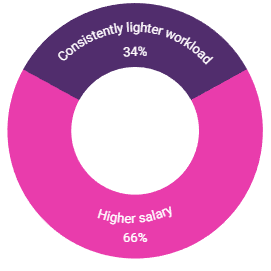
Which would you prioritise more – a larger salary or a consistently lighter workload?
1,550 out of 1,669 answered this question
- 34% – Consistently lighter workload
- 66% – Higher salary
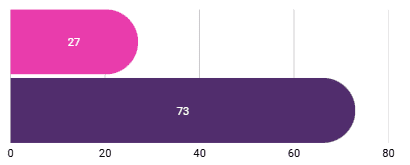
Select the statement that best reflects your current thought process if you were to change job.
1,583 out of 1,669 answered this question
- 27% – Flexible working location trumps everything
- 73% – Salary trumps everything
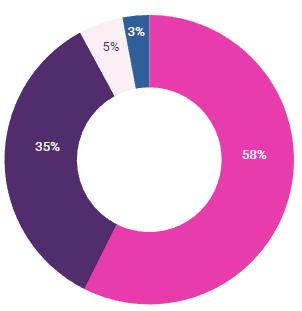
Would you work a reduced working week for a pro-rated salary? (i.e. 4 days at 80% salary)
1,586 out of 1,669 answered this question
- 58% – Yes, I would consider it
- 35% – No, I wouldn’t consider it
- 5% – I already work on a reduced working week on a pro-rated salary
- 3% – I already work on a reduced working week on a full salary
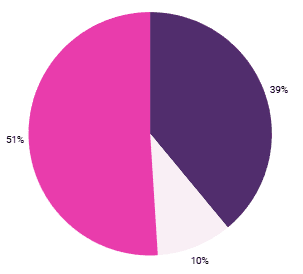
Would you trade a percentage of your salary for more annual leave or vice versa?
1,564 out of 1,669 answered this question
- 51% – No
- 39% – I would sacrifice a percentage of my salary for the same percentage increase in annual leave
- 10% – I would sacrifice a percentage of my annual leave for the same percentage increase in my salary
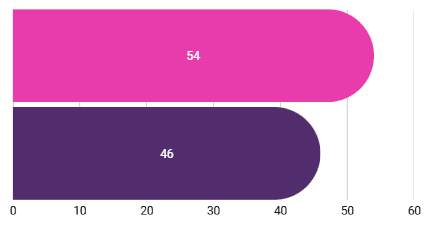
Would you move to a job that excited you more than your current role but for a lower salary?
1,554 out of 1,669 answered this question
- 54% – Yes
- 46% – No
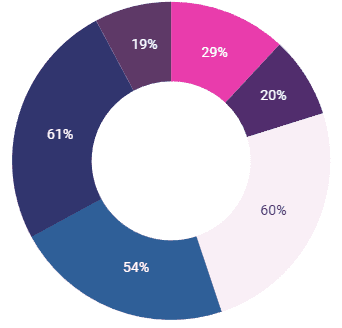
In the last 3 years I…
1,522 out of 1,669 answered this question
- 29% – Work the way I have always worked
- 20% – Still do my job effectively, but putting in less hours on purpose
- 60% – Work smarter – embracing technology more (teams, VOIP, Cloud systems etc.)
- 54% – Prioritise my own wellbeing/family wellbeing more
- 61 % – Embrace hybrid working
- 19% – Work in the office more
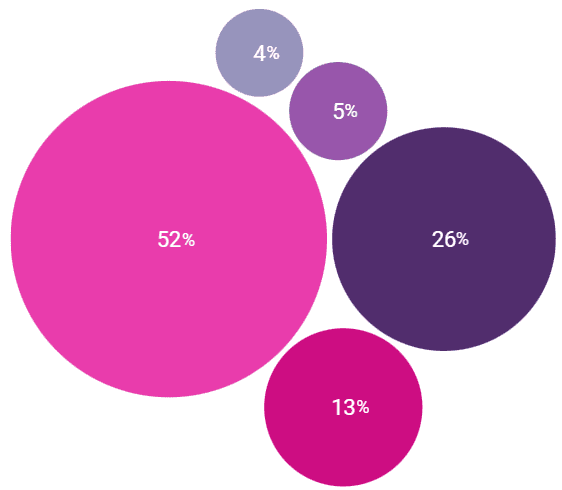
Which of these statements best reflects where you would like your place of work to be today?
1,564 out of 1,669 answered this question
- 13% – I only want to work fully remotely
- 52% – I only want to work on a hybrid basis
- 4% – I only want to work full-time in the office
- 26% – I am happy to do any option
- 5% – I don’t have the luxury to choose where I want to work
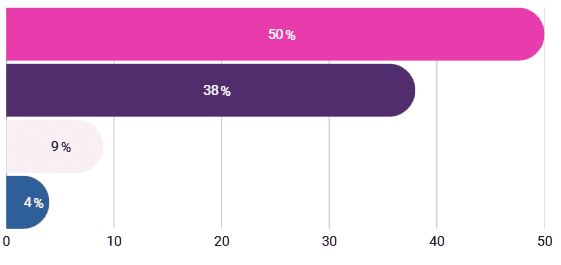
My employer…
1,495 out of 1,669 answered this question
- 50% – Let’s me choose when I come into the office
- 38% – Requires me to come into the office on set days, and WFH on set days
- 9% – Insists I come into the office full-time
- 4% – Insists I work fully remotely
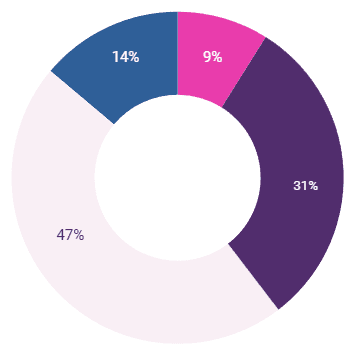
How many days does your employer require you to come into the office?
1,522 out of 1,669 answered this question
- 9% – 1 day
- 31% – 2 days
- 47% – 3 days
- 14% – 4 days
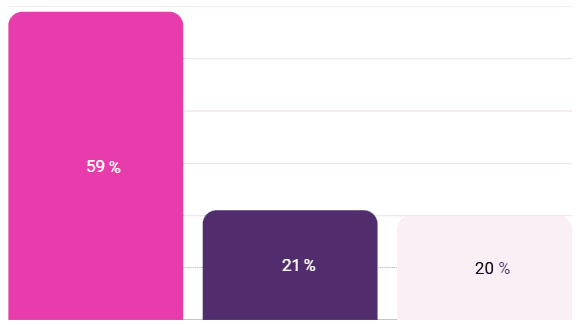
At the moment my physical working arrangements are…
1,490 out of 1,669 answered this question
- 59% – As I want them
- 21% – Not ideal, but no reason for me to think about moving jobs
- 20% – Not ideal, and would be a key factor in me thinking about moving jobs
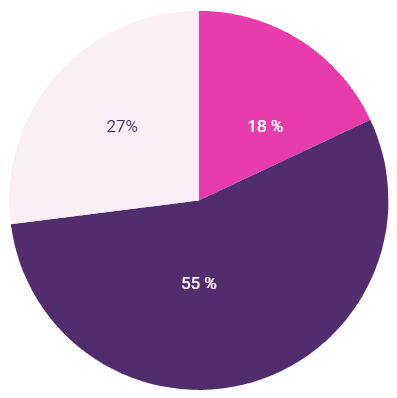
I feel the balance of power in the present job market is…
1,504 out of 1,669 answered this question
- 18% – With the employee
- 55% – With the employer
- 27% – Neither
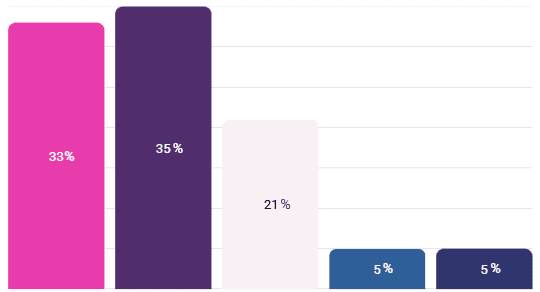
I think the next 12 months…
1,485 out of 1,669 answered this question
- 33% – Will be good for me career wise
- 35% – Will be a time for consolidating my career
- 21% – Will be difficult for me to progress my career
- 5% – Has me seriously considering going travelling and taking time out
- 5% – Has me seriously considering moving abroad to work
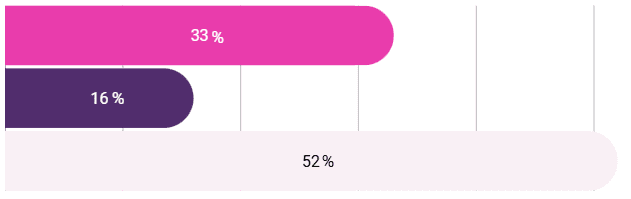
From my own career perspective, the next 12 monhts have me in…
1,495 out of 1,669 answered this question
- 33% – An optimistic mood
- 16% – A pessimistic mood
- 52% – A balanced mood
We would like to thank all the respondents for filling out the survey. Special thanks to those who chose to add comments; these were particularly illuminating.
The Panel RPO Offering
 In Recruitment Process Outsourcing (RPO), companies transfer all or part of their recruitment processes to The Panels’ RPO specialist team.
The RPO team, with the support of our network, acts as an extension of that client’s HR department. This can be done either off-site or on-site. As the RPO provider, we take full ownership of all hiring duties and are fully accountable for the results we deliver.
RPO providers are often sought out for high-volume recruitment, including short and medium roles on a project-to-project basis, as well as fully replacing all internal recruitment in an organisation.
The RPO provider can take responsibility for part or all of the following:
- Candidate name generation and sourcing
- Recruitment marketing and/or advertising strategy
- Candidate screening
- The entire interview process
- Testing and selection
- Salary negotiation
- Various background checks
- Placement and onboarding
- Reporting & data analytics
- Assist you in building your own Talent Recruitment Team
The Panel, as your RPO Partner, could also be responsible for introducing our own technology and reporting. This can be a big advantage for clients, particularly for smaller companies that may not have access to similar technologies or that are inward investment companies.
All the above services can be increased, modified, or reduced throughout the process depending on a client’s needs.
This means costs can go down when your hiring needs go down, and the RPO provider can adapt to your specific business needs.
While the traditional agency model offers as much support as the client needs, RPO acts as an extension of the internal recruitment operations of the business by taking full ownership of the duties. Each solution has its merits to suit the needs of the client and enhance the core functions of the business.
The Panels RPO Solutions team focuses on both permanent (RPO) and contingent (MSP) talent and are Recruitment Process Outsourcing specialists.
For more information, please contact Anne Keys, Joint Managing Partner at anne@thepanel.com
Contracting & Payroll Service Management
 We currently provide full contracting services to a number of clients. We have a dedicated team in The Panel that services this area, which includes staff from our onboarding ops team, accounts team, and admin function team.
Fergal Keys leads this team, and Ildiko Kiss manages the function.
Our largest client can have up to 30-50 contractors/temps per month.
Services include:
- Daily Rate Contractors: These candidates get a contract for a fixed duration and invoice for days only worked. All invoices are provided with approved and authorised timesheets. There is an agreed process with the client.
- Fixed-Term Contractors: These candidates are hired for a specified duration and are paid a fixed salary. In this situation, these candidates are paid a monthly salary, and we manage all government taxes, holiday entitlements, etc., on behalf of the client.
- Temp Staff: In this case, candidates can also be hired for shorter term contract (temp contracts) and can be paid hourly or daily rates, and The Panel manages all regulatory requirements (taxes, PRAI, holidays, etc.).
Market Mapping Recruitment Services

At The Panel our Market Map Recruitment Services provide a comprehensive overview of talent availability and compensation trends within your industry or specific role. This service is ideal for businesses looking to understand the competitive landscape and ensure they are offering attractive, competitive salaries to attract top talent. By conducting in-depth market analysis, we deliver a tailored map that highlights key insights, including salary ranges, skill demand, and regional variations. This data-driven approach empowers businesses to make informed hiring decisions and stay ahead in the talent race, optimizing recruitment strategies for success.
The process typically involves:
- Identifying talent pools – locating where candidates with the required skills and experience are concentrated.
- Assessing competitors – analysing competitor structures and identifying high-performing individuals who might be suitable for your team.
- Building talent pipelines – maintaining a database of candidates ready for immediate roles or for future needs.
- Succession planning – pinpointing internal and external talent for leadership and other critical roles.
Benefits of Market Mapping for Clients:
- Informed Decision-Making: Market mapping provides clients with data-driven insights into salary benchmarks, skill availability, and industry trends, helping them make informed decisions when setting compensation packages and defining recruitment strategies.
- Competitive Advantage: By understanding the talent landscape, clients can attract and retain top candidates by offering competitive salaries and benefits that are aligned with current market expectations.
- Talent Pool Visibility: Market mapping reveals the size and strength of the talent pool in specific regions or industries, allowing clients to target the right candidates and tailor their recruitment efforts to meet business needs.
- Enhanced Recruitment Strategy: Clients can refine their hiring strategies, identifying skill gaps and adjusting hiring priorities to meet long-term business goals.
- Cost Efficiency: By understanding the market rates, clients can avoid overpaying for talent while ensuring they are offering fair compensation that attracts skilled professionals.
- Retention Insight: Market mapping also helps identify trends that can inform retention strategies, allowing clients to stay ahead of potential talent shortages or shifts in employee expectations.
Strategic Workforce Planning: Clients can use market mapping to plan for future hiring needs, optimising workforce growth and aligning talent acquisition with business objectives.
For more information, please contact our Joint Managing Partner, Anne Keys at anne@thepanel.com
Sustainability, DE&I at The Panel
 Sustainability
As time moves on, the sustainable responsibility of employers is becoming more and more important, therefore, we here at The Panel take great pride in doing our best in meeting our target in this area. We take responsibility for our candidates, clients, and every part of our business to offer and supply solutions that positively impact those around us.
Knowing that you are partnering with a responsible organisation should offer you peace of mind.
Read more on our ESG Policy here.
Diversity, Equality & Inclusion (DE&I)
In The Panel, we actively focus on sourcing talent through a DE&I lens – we know diverse teams make for better functioning and more collaborative teams.
The Panel and our Joint Managing Partner, Anne Keys, played a crucial role in the establishment and launch of 100 Women in Finance in Ireland in 2017. She was Co-Chair of the 100 Women in Finance Dublin location for two years and is currently an advisor to the Dublin Committee. She continues to drive 100WF workshops for iNEDs and senior practitioner members, advising them on how to launch and develop their independent non-executive director career.
In November 2017, The Panel signed up to the Ibec/30% Club’s “Voluntary Code of Conduct for Recruitment and Executive Search Firms Code”.
This Code recognises the importance of search firms and client organisations working together to deliver change based on four principles:
- Strategy & Goals
- Talent Pipeline
- Prices
- Monitoring & Reporting
What can The Panel help you with?
- Regulations– guiding candidates and clients through the Irish regulatory environment.
- Market analysis– updating candidates and clients on current trends.
- Talent acquisition– for clients, we help source the best candidates for the role at hand.
- Advice– we provide our candidates and clients with the most up-to-date information available regarding the market, the recruitment processes, and the best remunerative options available to both.
- Technology & Resources – offering candidates and clients the most up-to-date in recruitment and AI technology, enabling a quicker and more efficient recruitment process from start to finish.
Diversity & Inclusion at The Panel
 As a company, The Panel has successfully strived for internal diversity and inclusivity, and in doing so, we firmly believe that puts us in a strong position to be ambassadors for our clients in an Ireland that is becoming ever more progressive, diverse, and inclusive.
- We support groups for women in business, e.g, 100 Women in Finance & Women Executives.
- We employ 6 different nationalities with various cultural and religious beliefs.
- We have a higher proportion of female employees.
- We have two joint MDs at the Panel, 1 male and 1 female.
We believe we are one of the most diverse and inclusive recruitment companies in Ireland, putting us in a position to help our clients achieve the same.
We instill the following approach through rigorous training of our employees;
- Equal Employment Opportunity is a fundamental right of all employees and applicants for employment.
- The Panel undertakes not to discriminate unfairly against any applicant in respect of the subject matter of disclosures made pursuant to the pre-engagement screening process or any other information revealed during the engagement process.
- All applicants are provided a full and fair opportunity for employment, without regard to race, colour, religion, national origin, disability, gender,age,sexual orientation, genetic information, or parental status
- We promote equality for all candidates.
- We foster and support a globally diverse and inclusive workforce with our clients and place a high value on diversity and equal opportunity.
- We believe it is important for applicants to be considered for the employment of their choice and have the chance to perform to their maximum potential.
- The Panel is an equal opportunity Employer and Recruiter.


